

If you’ve been struggling with weight management and traditional methods haven’t delivered the results you’re hoping for, you’ve probably heard the buzz around Tirzepatide.
This groundbreaking medication has been making headlines for its impressive ability to help people shed significant pounds, but what exactly is it, and could it be the solution you’ve been searching for?
Let’s dive into everything you need to know about this game-changing treatment that’s revolutionizing the weight loss landscape.
What Is Tirzepatide and How Does It Work for Weight Loss?

Tirzepatide, sold under the brand names Mounjaro and Zepbound, is a relatively new player in the weight loss medication arena, but it’s already making a massive impact.
Originally developed for treating type 2 diabetes, researchers quickly discovered its remarkable weight loss benefits.
This medication works by mimicking two important hormones in your body: GLP-1 (glucagon-like peptide-1) and GIP (glucose-dependent insulinotropic polypeptide).
Think of these as your body’s natural appetite regulators and blood sugar controllers. When Tirzepatide activates these hormone pathways, several amazing things happen:
- Your appetite naturally decreases
- You feel full faster and stay satisfied longer
- Your body processes glucose more efficiently
- Food moves through your digestive system more slowly
The result?
Many people experience significant weight reduction without the constant battle against hunger that typically accompanies traditional dieting.
How Effective Is Tirzepatide for Weight Loss?

The results speak for themselves, and they’re honestly pretty incredible.
Clinical trials have shown that Tirzepatide can be remarkably effective, with participants losing substantial amounts of weight.
In the landmark SURMOUNT-1 trial, participants who took the highest dose of Tirzepatide lost an average of 22.5% of their body weight over 72 weeks.
To put that in perspective, someone weighing 200 pounds could potentially lose around 45 pounds. Even more impressive, about 40% of participants lost 25% or more of their body weight.
These aren’t just numbers on a scale – we’re talking about life-changing transformations. Many people report improvements in:
- Energy levels and mobility
- Sleep quality
- Self-confidence
- Overall health markers like blood pressure and cholesterol
- Reduced risk of diabetes-related complications
The medication typically starts showing results within the first few weeks, with the most significant weight loss occurring over the first 6-12 months of treatment.
What Are the Common Side Effects of Tirzepatide?
Like any medication, Tirzepatide does come with potential side effects that you should be aware of.
The good news is that most side effects are mild to moderate and often improve as your body adjusts to the medication.
The most common side effects include:
Gastrointestinal effects (these are the most frequent):
- Nausea (affecting about 15-20% of users initially)
- Diarrhea
- Vomiting
- Constipation
- Abdominal pain or discomfort
- Decreased appetite (which, let’s be honest, is partly why the medication works)
Other potential side effects:
- Fatigue or tiredness
- Headache
- Dizziness
- Heartburn or acid reflux
Most healthcare providers recommend starting with a lower dose and gradually increasing it to help minimize these side effects.
Many people find that taking the medication with food and staying well-hydrated can help reduce nausea.
It’s worth noting that serious side effects are rare, but they can include pancreatitis, gallbladder problems, and in very rare cases, thyroid tumors. This is exactly why working with a qualified healthcare provider is so important.
How Much Does Tirzepatide Cost for Weight Loss?
Let’s address the elephant in the room – cost. Tirzepatide can be expensive, especially if you’re paying out of pocket. The monthly cost typically ranges from $900 to $1,200 without insurance.
However, there are several ways to potentially reduce these costs:
Insurance coverage: Some insurance plans are beginning to cover Tirzepatide for weight loss, especially if you have obesity-related health conditions. It’s worth checking with your provider.
Manufacturer savings programs: Eli Lilly, the manufacturer, offers savings cards that can significantly reduce your monthly costs if you qualify.
Alternative options: Some people explore compounded versions of similar medications, though it’s crucial to ensure these come from reputable pharmacies.
Healthcare financing: Many providers offer payment plans or financing options to make treatment more affordable.
While the upfront cost might seem steep, many people find that the long-term health benefits and potential reduction in obesity-related medical expenses make it a worthwhile investment.
What’s the Proper Dosing Schedule for Tirzepatide?
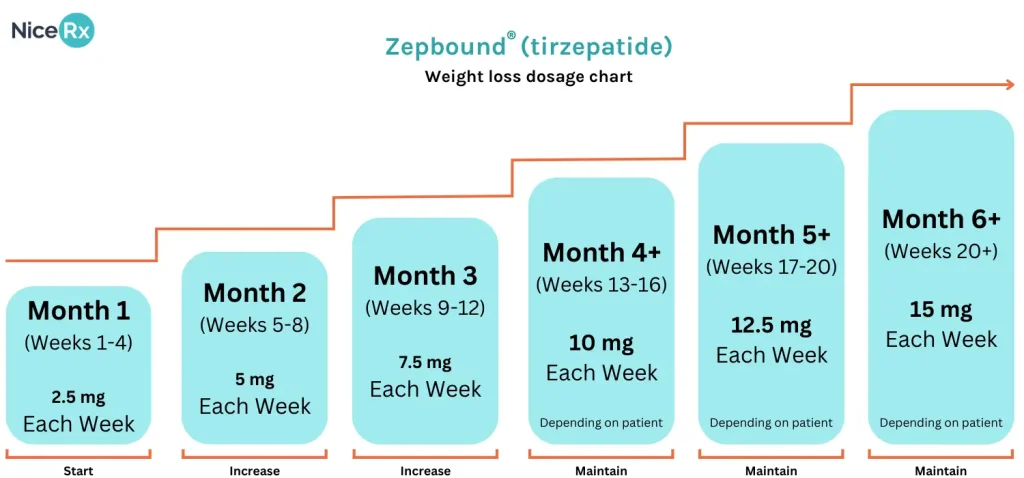
Tirzepatide follows a specific dosing schedule that’s designed to help your body gradually adjust while maximizing effectiveness and minimizing side effects.
The typical dosing progression looks like this:
Weeks 1-4: 2.5 mg once weekly
Weeks 5-8: 5 mg once weekly
Weeks 9-12: 7.5 mg once weekly
Weeks 13-16: 10 mg once weekly Weeks 17-20: 12.5 mg once weekly
Week 21+: 15 mg once weekly (maximum dose)
Your healthcare provider might adjust this schedule based on how you’re responding and any side effects you experience. Some people do well on lower doses, while others need the full progression to see optimal results.
The injection is administered once weekly, on the same day each week.
Most people find it convenient to pick a day that works with their schedule – maybe Sunday evening to start the week fresh, or Friday to coincide with their weekly weigh-in.
Is Tirzepatide Safe for Long-Term Weight Management?
This is probably one of the most important questions on your mind.
The current research suggests that Tirzepatide can be safe for long-term use when properly monitored by a healthcare provider.
The medication has been extensively studied, and the safety profile appears favorable for most people. However, long-term use does require ongoing medical supervision to monitor for:
- Changes in kidney function
- Gallbladder health
- Blood sugar levels (even in non-diabetics)
- Overall health markers
One thing to keep in mind is that Tirzepatide is typically considered a long-term treatment.
Many people regain weight if they stop taking the medication, which is why it’s often viewed as a chronic condition management tool rather than a short-term fix.
Think of it like managing high blood pressure or cholesterol – it’s an ongoing commitment to your health rather than a temporary intervention.
How Does Tirzepatide Compare to Other Weight Loss Medications?

You might be wondering how Tirzepatide for weight loss stacks up against other options like Ozempic (semaglutide), Saxenda, or traditional weight loss medications.
Tirzepatide vs. Semaglutide (Ozempic/Wegovy):
- Tirzepatide generally produces greater weight loss
- Both work on GLP-1 receptors, but Tirzepatide also targets GIP receptors
- Side effect profiles are similar, though some people tolerate one better than the other
Tirzepatide vs. Traditional weight loss medications:
- Much more effective for significant weight loss
- Different mechanism of action (hormone-based vs. appetite suppressants or fat absorption blockers)
- Generally better tolerated than older stimulant-based options
Tirzepatide vs. Bariatric surgery:
- Less invasive with no surgical risks
- Can achieve comparable weight loss results for many people
- Reversible if needed
- Lower upfront cost than surgery
The choice between options often comes down to individual factors like health history, insurance coverage, tolerance for side effects, and personal preferences.
Who Is a Good Candidate for Tirzepatide Weight Loss Treatment?

Tirzepatide isn’t appropriate for everyone, and healthcare providers typically look for specific criteria when considering this treatment:
You might be a good candidate if you:
- Have a BMI of 30 or higher (obesity)
- Have a BMI of 27 or higher with weight-related health conditions
- Have tried traditional weight loss methods without sufficient success
- Are committed to making lifestyle changes alongside medication
- Don’t have contraindications like a history of certain types of thyroid cancer
You might not be suitable if you:
- Are pregnant or planning to become pregnant
- Have a history of pancreatitis
- Have certain thyroid conditions
- Have severe kidney disease
- Are taking certain other medications that could interact
The best way to determine if you’re a candidate is through a thorough evaluation with a healthcare provider who specializes in weight management or endocrinology.
What Lifestyle Changes Should You Make While Taking Tirzepatide?

While Tirzepatide is incredibly effective on its own, combining it with healthy lifestyle changes can amplify your results and improve your overall health outcomes.
Nutrition focus:
- Eat protein-rich foods to maintain muscle mass
- Focus on nutrient-dense, whole foods
- Stay hydrated (especially important for managing side effects)
- Consider working with a registered dietitian
Physical activity:
- Start with gentle activities like walking
- Gradually increase intensity as you lose weight and gain energy
- Include both cardio and strength training
- Find activities you actually enjoy
Sleep and stress management:
- Prioritize 7-9 hours of quality sleep
- Practice stress-reduction techniques
- Consider meditation or mindfulness practices
Regular monitoring:
- Track your progress beyond just the scale
- Take body measurements and photos
- Monitor how you feel and your energy levels
- Keep up with regular medical check-ups
Remember, Tirzepatide makes these lifestyle changes easier by reducing cravings and helping you feel satisfied with smaller portions.
Getting Started: What to Expect on Your Tirzepatide Journey

If you’re considering Tirzepatide, here’s what the typical journey looks like:
Initial consultation:
Your healthcare provider will review your medical history, current medications, and weight loss goals. They’ll likely order some baseline lab work.
First month:
You’ll start on the lowest dose. Some people notice appetite changes immediately, while others take a few weeks to feel the effects. Mild nausea is common but usually manageable.
Months 2-6:
You’ll gradually increase your dose as tolerated. This is typically when you’ll see the most dramatic weight loss. Many people report feeling more energetic and confident.
Month 6 and beyond:
Weight loss usually continues but may slow down. You’ll work with your provider to find your optimal maintenance dose and establish long-term monitoring routines.
Throughout this journey, regular check-ins with your healthcare provider are crucial for monitoring your progress and adjusting your treatment plan as needed.
Take the Next Step Toward Your Weight Loss Goals
Tirzepatide represents a genuine breakthrough in obesity treatment, offering hope to millions of people who have struggled with traditional weight loss methods.
The combination of significant weight loss results, manageable side effects, and improving accessibility makes it an option worth serious consideration.
However, the decision to start any weight loss medication is deeply personal and should always be made in partnership with a qualified healthcare provider who understands your unique situation, health history, and goals.
If you’re tired of the cycle of temporary weight loss followed by regaining, if you’re dealing with obesity-related health issues, or if you simply want to explore all your options for achieving lasting weight loss, it’s time to have a conversation with your doctor about whether Tirzepatide could be right for you.
Don’t let another year go by wondering “what if.”
Schedule a consultation with Novus to discuss whether Tirzepatide for weight loss could be the key to unlocking the healthier, more confident version of yourself you’ve been working toward.